
Spending time in the great outdoors has always been a meaningful escape for me. Over the years, I’ve noticed two distinct ways people experience camping — the traditional camper’s rugged, minimalist approach and the glamping enthusiast’s blend of nature with comfort and style. Both have their passionate followers, and through my own adventures, I’ve come to appreciate the unique joys each brings. This article dives into the friendly showdown between campers vs glampers, sharing my personal stories, insights, and reflections from both sides.
Finding Joy in the Traditional Camping Experience
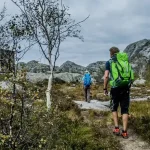
My earliest memories of camping are rooted in embracing nature’s simplicity without any frills. For me, camping means carrying what I can on my back, pitching a tent wherever the landscape invites, and immersing myself fully in the wild. I love the challenge of depending on a few essential tools: a sturdy tent, a sleeping bag that can handle cold nights, a small stove, and the basics for food and water.
Sleeping beneath a blanket of stars, hearing the distant call of owls, and waking to the fresh smell of pine trees — these sensory moments bring a deep sense of peace. There is something grounding about feeling the earth beneath my boots and hearing the rustle of leaves in the wind without any city noise to distract me. The discomforts, like damp clothes from morning dew or a mosquito buzzing by my ear, seem like small trade-offs for the richness of the experience.
Traditional camping feels like a practice in patience and adaptability. Whether building a fire from scratch or navigating an unexpected rainstorm, I’ve learned to respect nature’s unpredictability. This type of camping encourages me to hone skills, stay self-reliant, and enjoy the satisfaction of living simply for a few days. It’s in these moments that I reconnect not just with the environment but with myself.
Exploring the World of Glamping
The first time I tried glamping, I approached it with a mix of curiosity and skepticism. How could camping still feel like an adventure if it included a real bed, running water, and electricity? Yet, stepping into a spacious canvas tent furnished with plush pillows, soft rugs, and ambient lighting opened my eyes to a different kind of outdoor enjoyment.
Glamping introduces nature to those who might shy away from the roughness of traditional camping. It invites people who love creature comforts to experience the wilderness in a more accessible way. Instead of hauling gear or worrying about the cold, glamping offers the chance to relax and appreciate the scenery with less effort. It’s a bridge between indoor luxury and outdoor freedom.
The convenience of glamping means longer stays feel more feasible. I could spend my days hiking or kayaking and then return to a warm, cozy space without the hassle of setup or cleanup. The option to cook with real utensils or take a hot shower after a day on the trails makes the outdoors appealing to many who otherwise wouldn’t venture far.
Glamping also brings a social component that differs from traditional camping. Some sites have communal fire pits and lounges, creating opportunities to meet new people while still enjoying privacy. In this way, glamping feels like a community-centered experience wrapped in comfort.
Comparing the Feelings and Connections
I find the difference between campers vs glampers is most evident in how each experience feels emotionally and physically. Camping forces me to slow down and tune into nature’s rhythms. I’m more alert to changes in weather, more aware of the wildlife around me, and more engaged in simple tasks like gathering firewood or preparing a meal.
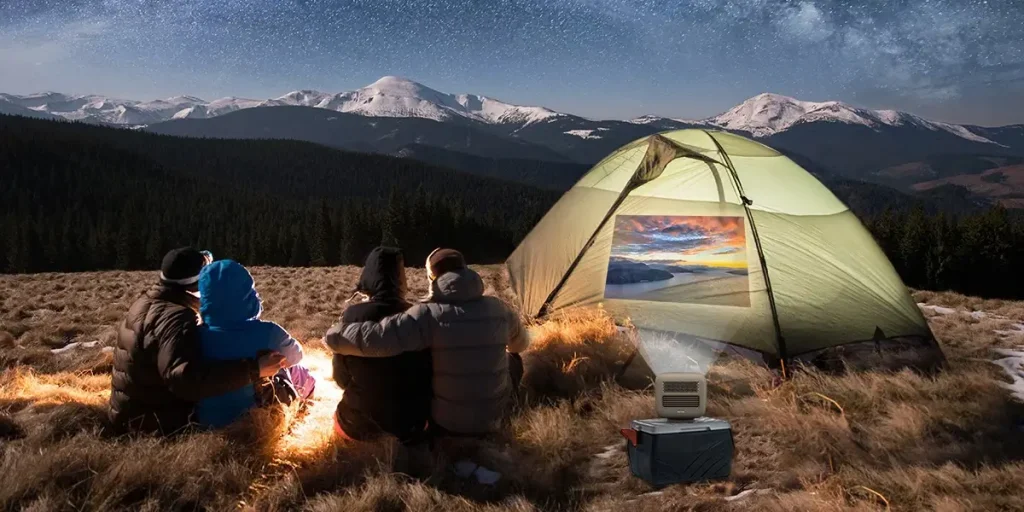
Glamping, on the other hand, offers a more relaxed atmosphere where nature can be enjoyed without discomfort. The padded mattress and protected shelter create a secure environment that’s especially appealing during colder months or rainy weekends. I’ve noticed that glamping often feels more like a mini-vacation with all the perks of home but surrounded by trees and fresh air.
Neither style feels superior to me; they simply offer different pathways to connect with the outdoors. Traditional camping feels like a test of resilience and independence, while glamping invites me to unwind in style and convenience.
Equipment and Preparation Differences
The way I prepare for traditional camping trips is very different from glamping. For camping, packing light and efficient gear is essential. I think carefully about every item — a versatile multi-tool, waterproof matches, compact cooking gear — to keep my pack manageable. The weight on my back reminds me that I am responsible for everything I bring.
Glamping flips this dynamic. Usually, I can drive directly to my accommodation and find most of the essentials waiting. The need to bring bulky tents or heavy cooking equipment disappears. This ease means I can pack more leisurely or bring extra items like my favorite book or gourmet snacks.
Despite the comfort, I still enjoy incorporating some camping skills on glamping trips. I often prepare some meals over a small fire or take a short hike with my backpack to keep the spirit of adventure alive. This blend enriches my experience, making glamping feel less like a hotel stay and more like an immersive nature retreat.
Social Moments: Around the Fire and Beyond
Nothing compares to the connection I feel when sharing stories by a campfire. Traditional camping fosters community because setting up camp usually requires teamwork. The shared effort of pitching tents, gathering firewood, and cooking meals breaks down barriers and creates lasting memories.
Glamping social scenes can be different but equally fulfilling. Many glamping sites feature communal spaces designed to encourage conversation and group activities, like guided hikes or outdoor yoga classes. I’ve met some wonderful people during glamping trips who might not otherwise spend time outdoors. These interactions feel more structured and often revolve around shared comfort and relaxation.
Both campers and glampers cherish social connection, but the style changes depending on the environment and setup. For me, these moments — whether simple or sophisticated — make the outdoor experience richer.
Environmental Considerations for Campers vs Glampers
I am always mindful of how my outdoor activities affect the environment. Traditional camping tends to have a smaller ecological footprint when done responsibly. Carrying out all trash, avoiding damaging plants, and minimizing fire impact are practices I follow closely. The wilderness feels like a shared home that deserves respect.
Glamping sometimes involves infrastructure like permanent tents, cabins, or electricity, which can increase environmental impact. Still, many glamping operations focus on sustainability — using solar panels, composting toilets, and eco-friendly materials. I appreciate these efforts and believe glamping can educate visitors about conservation while providing comfort.
No matter the style, I believe the key is conscious outdoor ethics. Both campers and glampers can be responsible stewards of nature.
Reflections on Campers vs Glampers
After experiencing both sides, I realize the friendly showdown between campers vs glampers isn’t a competition but a celebration of variety. Camping means different things to different people, and both approaches have something valuable to offer.
My ideal outdoor trip often blends elements of each. I enjoy the raw connection of traditional camping alongside occasional nights of glamping comfort. This balance keeps my adventures exciting, adaptable, and enjoyable no matter the season or group.
If you love the challenge and simplicity of camping, embrace it fully. If comfort and ease bring you closer to nature, glamping might be your perfect escape. Either way, what matters is stepping outside and savoring what the natural world has to offer.
Tips for Campers and Glampers to Mix It Up
For campers interested in glamping, start by visiting a local glamping site for a weekend. Notice how comfort can enhance your connection to nature without losing the spirit of adventure. Bring along a few camping essentials and try to keep some routines familiar to ease the transition.
For glampers curious about traditional camping, begin with a short overnight trip in your backyard or nearby park. Practice pitching a tent and cooking outdoors in a low-pressure setting. Gradually build your confidence to explore deeper wilderness areas.
Mixing both styles has expanded my appreciation for the outdoors and made my trips more fulfilling.