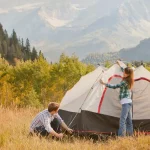
Setting up camp can feel like an art form—sometimes it flows smoothly, and other times, it’s a scramble filled with little missteps that teach you what not to do next time. Over the years, I’ve experienced plenty of those errors that only happen once but leave a lasting impression. These are the camp setup mistakes you only make once because after the frustration or discomfort, you learn exactly how to avoid repeating them. Sharing these lessons might save you from similar headaches and help you create a much better camping experience right from the start.
Choosing a Campsite Without Enough Thought
Selecting a campsite might seem straightforward, but it’s easily one of the biggest mistakes I made early on. I’ve ended up pitching my tent on uneven ground or too close to natural hazards that made the stay uncomfortable. One time, I didn’t notice a slight incline which caused me to slide around in my sleeping bag all night. Another time, setting up under a dead tree branch was a real danger, especially when the wind picked up.
Now, I make sure to walk around and examine the site carefully. The ground needs to be flat and firm, free from rocks and roots, and away from potential hazards like falling branches or insect nests. I also look for natural shelter from the wind, but not too close to water sources where bugs tend to swarm. Spending extra time scouting a spot before setting up pays off by giving me peace of mind and a solid foundation for the night.
Not Clearing the Ground Thoroughly
One lesson that stung a lot was rushing to pitch the tent without clearing sticks, pinecones, and rocks from the ground. The first time I did this, my sleeping pad got punctured, and I ended up with a sore back from all the lumps underneath. It was an uncomfortable night and a reminder that a little extra work on the ground can prevent bigger problems.
Now, I always take the time to clear the area where my tent will go. Even if I’m eager to get inside after a long day, removing debris and smoothing out the surface first makes a huge difference in comfort. It also protects the tent’s floor from damage, extending the life of my gear. This step adds just a few minutes but results in much better rest and less frustration.
Ignoring Wind and Sun Directions
The orientation of the tent relative to the wind and sun has a bigger impact than many campers realize. Early on, I set up with my tent entrance facing strong winds, which caused the tent to flap loudly and disturbed my sleep. On another occasion, the tent faced the rising sun directly, turning the inside into a mini sauna by dawn.
Now, I observe wind patterns before setting up and position the tent entrance away from prevailing gusts. This reduces noise and helps maintain a stable structure throughout the night. At the same time, I try to angle the tent so I can enjoy shade during the hottest parts of the day. These small adjustments increase comfort significantly, especially in varying weather conditions.
Overpacking and Cluttered Campsites
Packing too much gear and then scattering it around the campsite is a mistake I’ve made more than once. A cluttered camp feels cramped and chaotic, making it harder to relax and find what I need. There was one trip where my backpack and gear were strewn everywhere, and I kept tripping over things in the dark.
I’ve since learned to pack lighter and organize the camp systematically. Keeping cooking supplies, food, and personal items in dedicated zones around the tent helps keep the area tidy. Using mesh bags or small containers for grouping gear inside the tent also makes a big difference. With a more organized setup, I spend less time searching for items and more time enjoying the surroundings.
Not Securing Tent Properly
Leaving tent stakes loose or skipping guy lines was a blunder I thought I could get away with but never did. Strong winds easily loosened stakes, causing the tent to shift or even collapse. On a windy night, I had to scramble to re-secure the tent multiple times, cutting into my rest and peace of mind.
Now, I carry extra stakes and always drive them in firmly, checking for solid ground. I also tension the guy lines carefully to add stability. After any bad weather, I recheck and tighten everything as needed. This habit keeps my shelter steady and prevents unexpected collapses, which are far more inconvenient than spending a few extra minutes upfront.
Setting Up Too Close to Water or Trails
It’s tempting to set up camp close to a beautiful lake or right next to a popular trail for easy access. But I’ve learned that camping too close to water bodies invites insects and animals and being near trails can disrupt the quiet I seek. One noisy night near a stream was ruined by constant foot traffic and chatter.
Now, I give myself at least a 200-foot buffer from lakes, rivers, and trails. This keeps the camp more private, reduces bugs, and helps preserve the natural habitat. It also offers a peaceful atmosphere where I can truly unwind and connect with nature without interruptions.
Waiting Too Long to Set Up Tent
The rush to set up camp after arriving is understandable, but waiting until it’s nearly dark to pitch the tent has caused me several headaches. It’s harder to see, easier to miss critical steps, and sometimes I forget small pieces.
These days, I make it a priority to set up the tent immediately after arriving, even if I plan to relax or cook first. This way, I can troubleshoot any problems while there’s still plenty of daylight. Having my shelter ready early makes the rest of the evening more relaxing and less stressful.
Cooking Too Close to the Tent
Cooking right next to my tent once caused smoky, unpleasant air inside and attracted curious wildlife that wasn’t shy about investigating smells. It was an unsettling experience to have critters lurking nearby during the night.
Now, I always establish a separate cooking area, positioned downwind and at a comfortable distance from the sleeping zone. This setup helps keep smells away from the tent and lowers the risk of attracting animals. It also means cooking smells don’t linger inside, making for a more comfortable camp atmosphere.
Neglecting Proper Trash Management
Not managing trash well is a big no-no that I learned the hard way. Leaving food wrappers or scraps out invited insects and even a raccoon that made a mess of my campsite. It was not only unpleasant but could have caused bigger issues with local wildlife.
Today, I use resealable bags or containers to store all trash and food waste securely. I pack out every bit of garbage I bring in and use designated bins or bear-proof containers when available. Keeping the campsite clean is essential not just for my safety, but for protecting the environment and respecting other campers.
Overlooking Weather Preparedness
Weather changes fast in the outdoors, and ignoring this has been a costly mistake. I once set up camp without any rain protection, only to be drenched by a sudden downpour. Everything soaked through, and I spent the night cold and miserable.
Before every trip, I check the forecast carefully and prepare accordingly. I bring tarps, extra rain gear, and make sure my tent is properly secured against wind and rain. This kind of planning means I can handle whatever nature throws at me without sacrificing comfort or safety.
Setting Up Without Adequate Lighting
At night, poor lighting turns simple tasks like finding a flashlight or cooking into frustrating ordeals. I learned to appreciate good lighting after fumbling around in the dark multiple times.
Now, I set up lanterns inside the tent and place small LED lights around the camp area before it gets dark. This not only creates a cozy ambiance but also helps prevent accidents and makes nighttime activities easier.
In Summary: Camp Setup Mistakes You Only Make Once
Every camper’s journey involves some trial and error, but these camp setup mistakes you only make once have been my greatest teachers. Careful site selection, clearing the ground thoroughly, respecting wind and sun directions, and organizing gear properly are just some of the steps I take to ensure a smooth setup. Securing my tent well, choosing a good distance from water and trails, cooking away from the tent, managing trash, and preparing for weather are equally important.
Each lesson learned has made camping more enjoyable, safer, and less stressful. By sharing these experiences, I hope you can avoid similar pitfalls and make your camping trips more about connection and adventure, not fixable blunders. Setting up camp the right way gives you the best chance to relax, recharge, and create memories that last a lifetime.