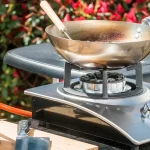
Creating a comfortable cooking space while camping can be surprisingly affordable. Over the years, I’ve realized that having a camp kitchen doesn’t mean you need to splurge on high-end gear or specialized equipment. With a little creativity and some basic materials, you can assemble camp kitchen setups you can build for under $50 that still get the job done. I want to share a few ideas that I’ve tested myself, which are practical, easy to transport, and don’t weigh down your pack or wallet.
The Importance of a Functional Camp Kitchen
Having a designated kitchen area at your campsite transforms the entire cooking experience. It helps keep your cooking tools organized, your ingredients accessible, and your prep area clean. Without a proper setup, meal prep can feel chaotic—pots and utensils scattered everywhere, food spilling onto the ground, or no good surface to work on. I’ve been there many times, and setting up a reliable kitchen has saved me a lot of hassle and frustration on my trips.
Building a camp kitchen from scratch might sound complicated, but it doesn’t have to be. Using common household items, inexpensive materials, or secondhand finds, it’s possible to create a setup that suits your needs without overspending. Here are some of the setups I have built or adapted that cost me less than $50 each but made my camping meals much easier and more enjoyable.
Folding Table and Storage Bins: Simple Yet Effective
One of the first solutions I came up with was using a folding table paired with plastic storage bins. Folding tables are widely available and often affordable, especially if you find them used. I scored a compact one for about $25 at a thrift store, which became the backbone of my camp kitchen.
The storage bins keep all my cooking essentials like pots, pans, utensils, and spices neatly in one place. I like to stack these bins under the table during transport and open them up at the site for easy access. I also attach a small hook or two on the table’s edge to hang dish towels or utensils, which keeps things off the surface and frees up prep space.
This straightforward setup gives me a clean workspace and an organized system for supplies, which means I spend less time hunting for items and more time cooking. It’s a classic example of camp kitchen setups you can build for under $50, and it’s proven reliable on several camping trips.
Building a Lightweight Kitchen Stand with PVC and Plywood
If you enjoy DIY projects, a kitchen stand made from PVC pipes and plywood is a great option. The materials are inexpensive, lightweight, and easy to assemble or disassemble, which makes this setup ideal for campers who value portability.
I bought a small sheet of plywood and cut it to size to serve as my countertop. Then I created a frame from PVC pipes that holds the plywood securely and stands at a comfortable height. I didn’t use any screws or nails; instead, the PVC pieces fit together with simple connectors. This means it’s easy to pack away without tools.
To maximize storage, I added some mesh bags hanging from the sides with bungee cords to hold my spices, utensils, and other small essentials. This design lets me keep things organized and within reach while keeping the surface clear for meal prep and cooking.
I was able to build this entire stand for under $50, and it has become one of my go-to camp kitchen setups you can build for under $50 due to its versatility and convenience.
Collapsible Shelving and Tables for More Space
On trips where I camp with friends or family, I find I need more space for cooking and storage. For these occasions, I use a combination of collapsible shelves and a compact folding table. The folding table acts as my main prep surface, while the shelves provide extra room for pots, dry goods, and utensils.
I purchased a simple collapsible table for about $25 and paired it with a folding shelf unit I found on clearance for roughly $20. This setup folds down to a manageable size, which makes it easier to transport and set up. The extra shelving prevents my gear from sitting on the ground, keeping everything clean and more accessible.
To keep things organized, I attach small adhesive hooks on the sides of the shelf unit, which allows me to hang kitchen towels, spatulas, and even lightweight cutting boards. This small addition helps maximize efficiency without increasing costs.
This combo is one of my favorite camp kitchen setups you can build for under $50 because it balances functionality and affordability while still being relatively lightweight.
The Ground-Level Setup with Tarps and Containers
Sometimes simplicity is the best approach, especially for short camping trips or backpacking where you want to pack light. In these cases, I rely on a no-frills kitchen setup that costs very little.
I start by laying down a waterproof tarp on the ground to create a clean, dry cooking area. Then I bring along plastic caddies or buckets to hold my utensils, cookware, and food items. Since these containers stack well and are easy to clean, they make packing and organizing much easier.
I set my portable stove right on the tarp, and keep all my supplies close by in the caddies. This basic setup takes very little time to arrange and requires minimal gear, yet it keeps everything off the dirt and prevents me from losing small items in the grass.
If you’re looking for one of the most budget-friendly and functional camp kitchen setups you can build for under $50, this ground-level option is hard to beat.
Upcycling Wooden Crates for a Rustic Kitchen Station
Upcycling is a great way to build a functional camp kitchen without spending much money. I found several wooden crates at a local thrift store for a few dollars each and decided to use them to create a multi-level kitchen station.
I stacked two crates horizontally and tied them together with bungee cords for stability. The top crate serves as a prep area and stove stand, while the bottom crate is perfect for storing cookware, food, and other supplies.
I added a small cutting board on top and sometimes a portable battery-powered lantern for cooking after dark. The crates are sturdy and easy to carry, plus they add a charming rustic look to my campsite.
This project was very affordable and gave me an effective kitchen station that fits well within the category of camp kitchen setups you can build for under $50.
Additional Tips for Budget Camp Kitchens
From my experience, there are a few strategies that help keep costs low while building a camp kitchen:
- Start with what you have at home. Before buying new gear, look around for folding tables, crates, containers, or other household items you can repurpose for camping.
- Keep an eye out for deals. Garage sales, thrift shops, and discount retailers are excellent places to find inexpensive camping supplies and storage solutions.
- Prioritize lightweight and compact designs. The less you have to carry, the more enjoyable your trip will be.
- Focus on the essentials. You don’t need every gadget out there—stick to a prep surface, a stove space, and some organized storage.
- Be creative with DIY. Building your own stands or shelves with inexpensive materials like PVC pipes, plywood, or crates saves money and lets you customize your setup.
- Organize smartly. Use mesh bags, labeled containers, and hooks to keep everything tidy and easy to access.
Final Thoughts
It’s entirely possible to create a comfortable and efficient camp kitchen without spending a lot of money. Whether you prefer a simple tarp and caddy system or a DIY kitchen stand made from PVC, there are plenty of options to fit your budget and style. These camp kitchen setups you can build for under $50 have proven themselves on my camping trips by simplifying cooking and keeping my gear organized.
I hope these ideas inspire you to build your own affordable camp kitchen. With a little ingenuity and some basic materials, you can enhance your outdoor cooking experience without stretching your budget. The key is to focus on functionality, portability, and organization. Once you have your setup ready, cooking in the great outdoors becomes something you look forward to—not a chore.