
Things were tense between us for longer than I care to admit. We were two people living under the same roof, going through the motions of daily life, while a growing distance settled quietly between us. Conversations felt shorter. Shared laughter, once frequent, had become rare. We had slipped into a rhythm that felt more like a silent partnership than a loving connection. The more we tried to ignore it, the deeper the disconnection grew.
One day, I proposed something unexpected—an escape from our routine. Not a fancy trip or couples retreat, just a camping trip. My suggestion wasn’t inspired by logic or research. It came from a feeling that nature might give us the space we couldn’t seem to create at home. That simple idea turned out to be the catalyst for change. Looking back, I now see clearly how camping saved my relationship.
The Silence That Spoke Volumes
We hadn’t realized how overwhelmed we were by noise—digital, emotional, mental. The nonstop notifications, constant demands of work, and the pressures of maintaining appearances had drained the life from our time together. Even when we tried to reconnect at home, our conversations were overshadowed by distractions. One of us would check a message or glance at the television, and the moment would pass.
It became obvious that we weren’t just lacking time—we were lacking presence. So we packed up, left behind our devices, and drove several hours to a secluded campground near a quiet lake. There were no deadlines, no schedules, and no escape into screens. The first night, we sat in the dark under a canopy of stars, wrapped in blankets, listening to the sounds of crickets and crackling firewood. It felt foreign at first, but in that silence, something inside us both softened.
Learning to Be With Each Other Again
Out in the woods, there was no hiding. No quick excuses or distractions. We had to face each other—not with anger or resentment—but with honesty. The awkward quiet we experienced that first evening by the fire wasn’t uncomfortable. It was raw. There was space to breathe, to notice, and to let our guards down.
Cooking dinner together over a fire became an unexpected dance of teamwork. Cleaning up, preparing the tent, and organizing our supplies forced us to collaborate again. Every small task gave us an opportunity to rediscover how to work together, to support one another without judgment or frustration. The things that once led to petty arguments suddenly felt like team-building exercises.
Breaking Through Emotional Walls
One of the most powerful moments happened during a long hike the next morning. We were surrounded by dense trees, navigating rocky trails and steep climbs. There were no other hikers, just the two of us and the rhythm of our steps. I didn’t plan to open up that day, but something about the environment—the openness, the fresh air, the absence of pressure—made it easier to speak truthfully.
We talked about our struggles. Not just surface-level frustrations, but the deeper fears we’d both kept buried. I admitted how alone I’d been feeling even while lying beside them in bed. They shared their worry that maybe we had grown too far apart to ever feel close again. We cried, standing there on that ridge overlooking the valley. And in those tears, we began to heal.
That hike became a turning point. It wasn’t a magical fix, but it broke through a barrier that had been holding us apart for far too long. Step by step, mile by mile, we peeled back layers that had built up over years. The forest witnessed our vulnerability without judgment.
Small Challenges, Big Lessons
Camping comes with its own set of challenges, and that’s exactly why it helped us. From setting up our tent in the dark to fumbling with a stubborn gas stove, we were pushed outside our comfort zones. But these little hurdles turned out to be gifts in disguise. We laughed when we burned our first attempt at dinner. We improvised with makeshift utensils. We shared a flask of whiskey while watching our boots dry by the fire.
Every obstacle gave us a reason to lean on each other. That interdependence rebuilt trust—one forgotten lighter and misplaced map at a time. We started appreciating each other again, not for grand gestures, but for simple acts of patience, encouragement, and effort.
Before that trip, it had been easy to forget how much we needed one another. But in the forest, where every task required partnership, that need became clear again—not as a weakness, but as a strength.
Rediscovering Intimacy Without Pressure
I hadn’t realized how emotionally closed off we’d become until we were wrapped in sleeping bags, lying side by side in a quiet tent with only the moonlight above. There was no pressure to perform, no expectations. Just closeness. Our intimacy hadn’t disappeared—it had just been buried beneath layers of tension, distraction, and exhaustion.
That night, we touched each other’s hands without hesitation. We shared whispered words that carried weight. We laughed softly at inside jokes we hadn’t remembered in months. It was subtle, but powerful. A warmth returned—not only physically, but emotionally. We weren’t rushing to fix anything. We were just there, together, and that was enough.
The intimacy we found in the woods didn’t just exist during that trip. It followed us home. We found ourselves hugging more, holding hands during walks, and looking into each other’s eyes again instead of at our phones.
The Ongoing Ritual of Reconnection
That camping trip was never meant to be a cure-all. It didn’t erase years of miscommunication or guarantee we’d never struggle again. But it did give us a way forward. We saw how stepping away from the chaos of modern life gave us space to remember who we were, both individually and as a couple.
Since that first weekend, we’ve made camping a part of our relationship. Every few months, we carve out time to escape into the wilderness, even if it’s just for a night or two. These trips have become our relationship reset buttons. Whenever life starts to feel overwhelming again, we go back to the woods.
I’ve spoken the phrase how camping saved my relationship many times since. To friends, to strangers around campfires, even to myself during difficult days. And every time I say it, I mean it. It wasn’t the gear or the destination—it was the return to simplicity, to presence, and to each other.
Letting Go of Control
One of the unexpected lessons I learned was how much control I had been trying to maintain in our relationship. I wanted predictability, order, and answers. But camping reminded me that not everything goes according to plan—and that’s okay.
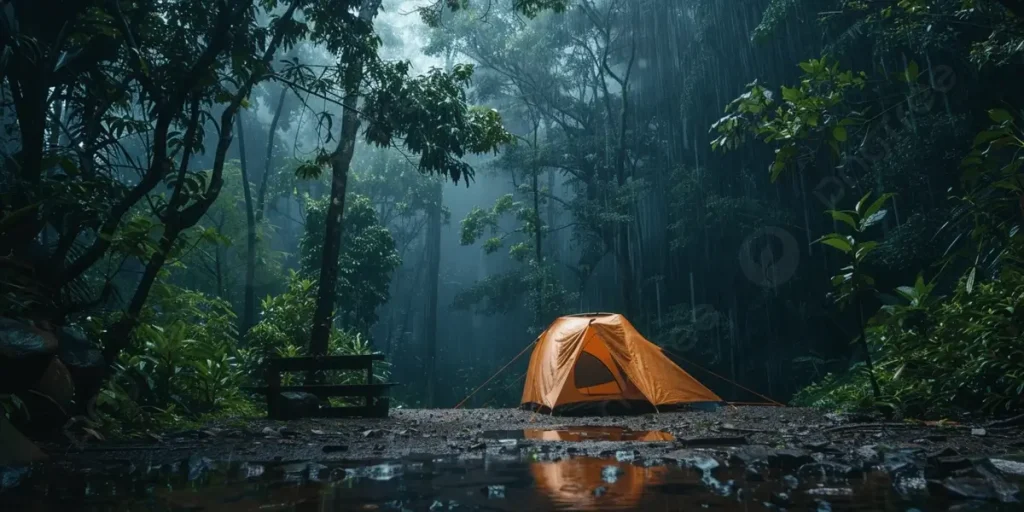
One afternoon, a sudden storm swept in. Our gear got soaked, we had to retreat under a tarp, and dinner plans were scrapped. Instead of arguing or blaming each other, we ended up playing cards under the shelter, eating snacks straight from the bag, laughing as thunder shook the trees. That moment taught me how letting go of control could make room for joy.
Relationships are like that too. Messy. Unpredictable. Sometimes uncomfortable. But when you surrender the need for everything to be perfect, you make space for connection to thrive in its realest form.
Coming Back Stronger
Returning home felt different. The walls of our house hadn’t changed, but something within us had. We didn’t walk through the door with all the answers. But we walked in with more grace, more patience, and more understanding. We had found something precious out there in the forest—something that no app, book, or advice column had been able to give us.
That experience didn’t just improve our relationship—it redefined it. We stopped treating each other like obligations and began treating each other like companions again. We started asking deeper questions. We became curious about one another. We remembered how to laugh, how to forgive, and how to love without needing everything to be perfect.
Why Nature Has a Way of Healing
There’s something uniquely powerful about the natural world. It strips away the noise, peels back the layers, and gently reveals what lies beneath. For us, it laid bare all the emotions we had been afraid to express. It gave us permission to pause, reflect, and rebuild. In those woods, we remembered not just why we fell in love, but why we wanted to keep choosing each other.
I believe the magic of camping lies not in the scenery, but in what it draws out of us. It forces us to be present, to collaborate, to listen. It reminds us of our smallness, but also of our strength. It asks us to care—for each other, for the land, for ourselves.
I’ll never forget how camping saved my relationship. And I’ll never stop being grateful for the space it gave us to fall back in love—slowly, honestly, and deeply.